Photographer Sued for Using Her Own Photo: A Getty Images Controversy
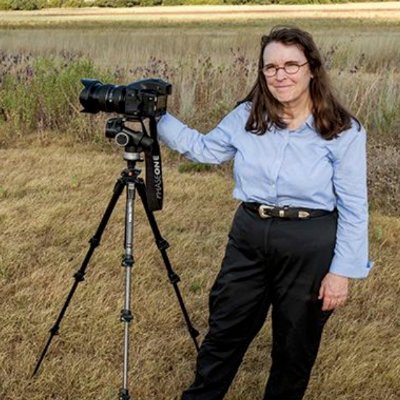
In the landscape of copyright disputes, few cases have stirred as much surprise and conversation as the one involving celebrated American photographer Carol Highsmith and stock photo giant Getty Images. This isn’t a typical copyright fight, it’s an alarming story of who really owns creative work, how public domain photos can be used, and how big companies sometimes take advantage of independent creators.
📸 Who Is Carol Highsmith?
🔎 The Shocking Discovery
In 2016, Highsmith was shocked to receive a letter from License Compliance Services (LCS), a company linked to Getty Images. The letter claimed she had broken copyright rules by using one of their photos.
The twist? The photo was her own, and she had freely donated it to the public domain.
It turned out Getty Images had been selling licenses to her free public domain photos—charging people to use them—without her permission. Even worse, they were threatening legal action against the original creator for using her own work.
⚖️ The Legal Battle
Angry and frustrated, Highsmith filed a $1 billion lawsuit against Getty Images and its related companies. She accused them of:
-
Misusing her public domain images,
-
Lying about who owned the photos, and
-
Making money off something they didn’t create.
She also claimed they were scaring other people away from using the free images by pretending they needed to pay for them.
However, the case took a complex legal turn. Since Highsmith had put the photos in the public domain, the court ruled that she no longer held exclusive rights to them. Therefore, even though Getty’s actions seemed unfair, they didn’t break copyright law.
Still, the misrepresentation issue remained a concern. Getty was accused of giving the impression that it owned or controlled rights to the images, and that people needed to pay to use them, which is misleading for works in the public domain
👀 Why This Case Matters
This case raised some big questions:
-
Who really controls public domain content?
-
How can creators make sure their work is used the way they intended?
-
Is it fair for companies to profit from content meant to be free?
It showed how big companies can take free resources and turn them into money—sometimes at the expense of the creator’s original purpose. It also led to more pressure on image platforms like Getty to be clearer and more honest about where their images come from.
The Carol Highsmith and Getty Images case is a reminder that just because something is legal doesn’t mean it’s right. It’s a lesson for creators who want to give their work to the public: know how it might be used, and be aware of how others could profit from it.
In an era where images and content are shared everywhere, this case highlights the thin line between open sharing and unfair use—and why honesty and respect matter in copyright and licensing.
- https://patexia.com/feed/carol-highsmith-vs-getty-images-when-you-get-accused-of-infringing-copyright-using-a-photo-taken-by-yourself-2016-20221008
- https://graphicartistsguild.org/judge-dismisses-photographers-1-billion-case-against-getty-images/


Comments
Post a Comment